
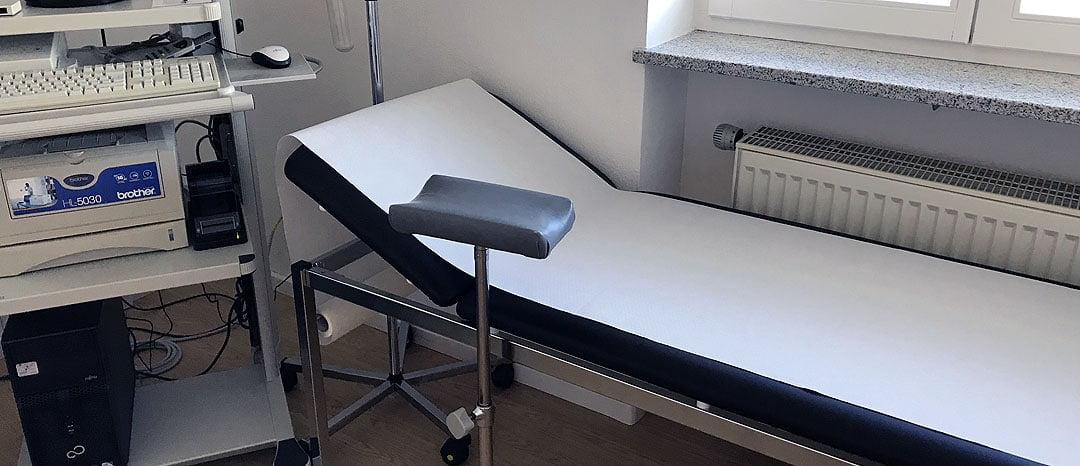

Courtenay aus Tennessee möchte gerne etwas über einen Arztbesuch in Deutschland erfahren. Ich habe Euch ja schon erzählt, dass man in der Regel zunächst einen Termin beim Arzt vereinbart. Die Koordination übernimmt die Sprechstundenhilfe. Das ist meistens eine Frau, die in der Arztpraxis am Telefon die Termine annimmt und einträgt. Sie hat noch weitere Aufgaben, die meisten davon sind Bürotätigkeiten. Dann nimmt man im Wartezimmer Platz und wartet, bis man an die Reihe kommt.
Der Arzt oder eine Arzthelferin kommen dann ins Wartezimmer und rufen entweder den Namen auf oder sagen „Der Nächste, bitte“. Der Arzt hat eine Karteikarte, auf der die Krankengeschichte des Patienten steht. Also zum Beispiel wie alt er ist, wieviel er wiegt, wie groß er ist, welche Krankheiten er bereits hatte, wann er zuletzt beim Arzt war oder welche Medikamente ihm verschrieben wurden.
Dann fragt der Arzt den Patienten, was ihm fehlt. Der Patient kann dann beschreiben, dass ihm zum Beispiel der Bauch weh tut. Oder dass er Halsschmerzen hat. Er kann berichten, dass er seit ein paar Tagen Fieber hat, Husten oder Schnupfen. Oder falls er sich verletzt hat kann er erklären, wie alles passiert ist – wenn er zum Beispiel vom Fahrrad gestürzt ist und sich dabei ein Bein gebrochen hat oder ähnliches.
Der Arzt stellt dabei weitere Fragen. Er fragt, wie lange die Schmerzen schon anhalten. Er fragt, ob die Schmerzen nur manchmal existieren oder immer da sind. Er fragt, ob es zum Beispiel in der Familie ähnliche Probleme gibt, ob man eventuell eine Krankheit geerbt hat. Und ob es Medikamente gibt, die man nicht verträgt oder gegen die man allergisch ist. Er versucht, aus den Symptomen eine Diagnose zu ziehen. Das bedeutet: Er setzt die verschiedenen Schmerzen zusammen und versucht herauszufinden, was die Ursache ist.
Der Arzt hat verschiedene Möglichkeiten, den Patienten zu untersuchen. Zunächst wird er oft den Patienten bitten, sich freizumachen. „Machen Sie sich bitte frei!“ bedeutet in diesem Fall: Die Kleidung ausziehen. Meistens aber nur an der Stelle, die Schmerzen bereitet, also zum Beispiel das T-Shirt ausziehen, damit der Arzt die Lunge abhören kann oder den Bauch abtasten. Oft wird er dann Maschinen benutzen, um den Patienten weiter zu untersuchen. Er kann zum Beispiel mit einem Ultraschallgerät arbeiten. Das passiert zum Beispiel bei Schwangeren. Dabei trägt er erst ein kühles Gel auf die entsprechende Stelle auf und fährt dann mit einem Ultraschallkopf darüber. Auf einem Monitor sieht er dann in den Bauch. Wenn man sich ein Bein gebrochen hat, dann muss man den Bruch röntgen, um genau zu sehen, was gebrochen ist. Mit einem Röntgengerät kann man Knochen abbilden.
Wenn der Arzt die Symptome richtig erkannt hat, kann er eine Diagnose stellen. Er kann dem Patienten dann sagen, an welcher Krankheit er leidet oder welche Ursache die Schmerzen haben.
Normalerweise bekommt man dann ein Rezept vom Arzt. Auf diesem Blatt Papier stehen Angaben für einen Apotheker. Dort bekommt man die Medizin, die der Arzt verschrieben hat. Oft bekommt man Antibiotika verschrieben, wenn man zum Beispiel eine Lungenentzündung hat. Wer sich dagegen ein Bein gebrochen hat, der bekommt wahrscheinlich einen Gips, damit wird der Bruch ruhig gestellt, damit er wieder heilen kann. Manche Patienten werden auch ins Krankenhaus eingewiesen, um dort weiterbehandelt oder operiert zu werden, wenn sie schwer krank sind.
Zum Arzt kann man aber auch gehen, wenn man gar nicht krank ist. Ich werde demnächst dorthin gehen, um meinen Impfschutz zu erneuern. Ich habe ein gelbes Heft, das ich bei meiner Geburt bekommen habe. Darin stehen alle Impfungen, die ich bis jetzt bekommen habe. Impfungen sind in der Regel Injektionen. Man bekommt also zum Beispiel eine Spritze, damit man in Zukunft keine Masern, Röteln oder Windpocken bekommen kann.
Man kann auch zu einem Check-Up gehen. Dann macht der Arzt verschiedene Tests. Er lässt einen zum Beispiel auf einem Hometrainer fahren. Ein Hometrainer ist bei uns ein Fahrrad, das in der Wohnung steht und stabil befestigt ist. Man kann damit nicht wirklich fahren, sondern nur in die Pedale treten. Während dieses Tests ist man an eine Maschine angeschlossen, die zum Beispiel misst, wie stark das Herz klopft. Der Arzt kann dann auch den Blutdruck messen oder Blut abnehmen und es im Labor untersuchen. So weiß man, ob man gesund ist.
Heute passenderweise der Song „Schmerzfrei“ von Max Passion.
Text der Episode als PDF: https://slowgerman.com/folgen/sg53kurz.pdf
hallo! danke schön
hallo! Vielen Dank für lhre Fähigkeit und rein schöne Aussprache.
Hallo Annik . Ich komme aus Brasilien und lerne gerade Deutsch. Ich beabsichtige das nächste Jahr das B2 Level bestehen und deshalb möchte ich mich bedanken und sagen, dass uns Deine Arbeit sehr hilfreich ist. Noch einmal vielen Dank für Deine Unterstützung
Since I do not speak German properly YET, I will just say a couple of words of gratitude in English to you. You have no idea what good job you do here and how much you help me study German. This site and your podcasts are so far the best resources I have come across while searching for the related materials. Thank you ever so much!
Danke schön für diese Seite, es hilft mir mehr deutsch zu verstehen.
Anezka
Liebe Annik,
Das ist einfach super,das ist nicht wie die normal Hörvestehen,So langweilig meine ich.Du machst es immer sehr lustig!Damit hab ich ganz viel gelernt!Vielen Dank!
LG
Efield
Vielen Dank für eine wunderschöne Seite!
Hallo Annik,
es ist eine gute Idee, dass du Musik uns erzält.
Danke für deine Hilfe,
Granada
Das ist Toll,Grisse Danuta:)
Vielen Dank!!!!!!!!!!
Die Texte sind so deutlich gelesen, so dass meine Schüler das gerne hören werden – hoffe ich! Danke sehr. Das sind auch interessante Texte. Super.
Hallo liebe meine Damen und Herren.Hier bin ich mal wieder um euch zu danken.Ich bedanke mich bei euch fuer diese tolle Hilfe.Erluben Sie mir bitte meine Email zu schreiben.Das ist meine Email auf face book einigkeit1111@yahoo.com Ich interessiere mich fuer Deutsch und auch fuer die Leute die Deutsch reden koennen.Danke.
Hallo liebe Freunde und Freundinen.Diese Seite hilft mir immer um Deutsch zu lernen.Ausserdem bewundere ich dieser Seite sehr.Die ist naemlich unteressant.
vielen Dank
Hallo Annik,
diese Website ist wunderbar.Ich erfahre mich viele ueber Deustchland .Ausserdem habe ich eine Frage ueber deutsche Steuer .Ich finde ,es ist komplex.Koennen Sie mir antworten ?
mit freundlichen grusse
Gao Liwei
Ich muss Ihnen vielmals danken !
Das ist ein automatisches Übersetzungstool, das nur eine kleine Hilfe sein soll.
Liebe Annik,
die Podcast finde ich super, man kann sehr gur nachlesen.
Aber ich habe auch den „Translator“ geguckt, was auf Chinesisch uebersetzt wurde, war schrecklich!!
Wenn das auch verbessern werden koennte, waere alles perfekt!
Das Musik ist super!
Diese Website ist wunderbar.
Diese Website ist wunderbar.
und du, Liebe Annik,dein Stimme ist süß,Ich habe immer gern dein programme gehört.
Liebe dich.
hallo
ich bin willy aus Kamerun(AFRIKA) student in dem STUDENTKOLLEG an der Uni des Saarlendes. mit der Zeit bin ich besser auf DEUTSCH dank auf Ihre Hilfe.
mit freundlichen grusse
willy
Hallo Annik!
I am from Taiwan.
I’ve checked out your program, which are so nice.
In Asia German-learning material is scarce.
So I am very happy to encounter your website online!
Thank you so much!
^^
Also, ich habe mich in dich verliebt, liebe Annik. Im ernst!! Deine Stimme kenne ich schon. Vielleicht vom Fernsehen her? Also, ich habe mal nachgelesen,gleichzeitig du´s auch gelesen hast, damit ich mal sehen konnte, wie gut meine Aussprache ist. Ach, ich komme aus Brasilien und habe knapp ein Jahr in Deutschland gelebt. Jetzt zeige ich deine Webseite überall wo ich hin gehe!! Sie ist fantastisch!! Sowie deine Stimme.
Alles ist wunderbar hier!!
Schöne Grüße aus warmem Brasilien,
Rodrigo Farias
Hallo Annik,
Vielen Dank für deine SuperInteressant Podcast!
Ich höre dich immer, wann ich zu hause bin oder mit meine iPod! Ich komme aus Spanien, ich wohne in Gijón.
Im Sommer werde ich als Aupair in Marburg arbeiten!
Ich habe viel mit deine Podcast gelernt, du hast eine sehr gute Ausprache und einen hübschen Ton:).
Im September studiere ich in Graz (Österreich) und ich hoffe dass ich die Österreicher verstehen könnte.
Vielen Grüsse aus Gijón,
Lucas