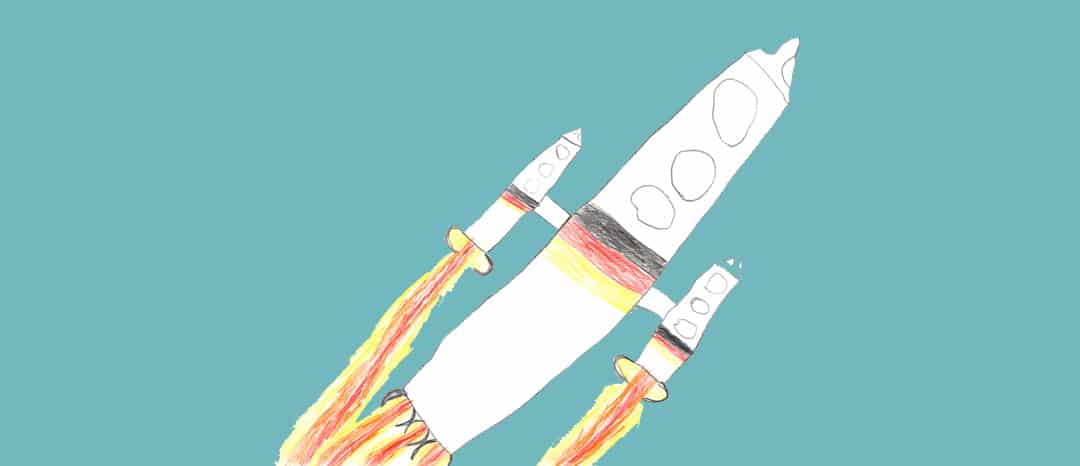
Im Moment ist ein Deutscher im All. Er heißt Alexander Gerst. Am 8. Juni 2018 ist er für ein halbes Jahr zur Internationalen Raumstation ISS gereist. Seit Oktober hat er das Kommando auf der ISS, er ist also der Chef. Das hat vor ihm kein anderer deutscher Astronaut geschafft. Am 13. Dezember soll Gerst wieder auf die Erde zurückkehren. Für ihn ist das nicht der erste Ausflug ins All – Gerst war bereits 2014 auf der ISS. Aber ich möchte Euch heute nicht nur etwas über Astro-Alex erzählen, sondern generell über die deutsche Raumfahrt.
Die deutsche Raumfahrt begann 1928. Damals gab es den ersten bemannten Raketenflug. Der Flug dauerte 80 Sekunden – und brachte den Piloten gerade mal 1,5 Kilometer weit. Finanziert wurden diese Flugversuche mit Raketenantrieb von Opel. Das ist heute eine bekannte Automarke. Wie so oft wurde die neue Technologie durch den Krieg vorangetrieben. Es wurden neue Raketentypen für das Militär entwickelt. Raketen sollten damals vor allem Zerstörung bringen – oder Raketen der Feinde abwehren.
Der wichtigste Entwickler war damals der heute sehr umstrittene Wernher von Braun. Gemeinsam mit anderen Forschern zog er nach dem Krieg in die USA, um dort weiter zu arbeiten. Dort war er am Mondlandungsprogramm Apollo beteiligt. Bleiben wir bei der deutschen Raumfahrt. Sigmund Jähn war der erste Deutsche im All. Er war ein Kosmonaut der DDR. 1978 flog er zu einer sowjetischen Raumstation und blieb 7 Tage dort. Fünf Jahre später startete Ulf Merbold ins All – insgesamt war er drei Mal im Weltraum.
Später wurden die Europa- und Ariane-Raketen gebaut. Allerdings nicht von Deutschland alleine, sondern von der ESA, einem europäischen Raumfahrtprogramm. Mittlerweile geht es im All um die wissenschaftliche Forschung. Nach der politischen Wende konnten die verschiedenen Länder zusammenarbeiten. 1995 flog der deutsche Astronaut Thomas Reiter für ein halbes Jahr auf die MIR, um dort zu forschen. 2006 war er nochmals ein halbes Jahr dort.
Und Alexander Gerst? Er ist vor allem für viele deutsche Kinder ein Vorbild. Sie kennen ihn, weil er jedes Mal viele Auftritte in der „Sendung mit der Maus“ hat und sogar eine kleine Plüschmaus mit ins Weltall nimmt. Er erklärt den Kindern, was es mit der Schwerkraft auf sich hat und wie es ist, im Weltall auf die Toilette zu gehen oder zu schlafen. Die Kinder dürfen ihm Fragen stellen, die er dann beantwortet.
Der Rhein ist einer der wichtigsten und längsten Flüsse Europas. Er ist 1232 Kilometer lang. Seine Quelle liegt in der Schweiz, dann fließt er fast 700 Kilometer durch Deutschland und mündet schließlich in den Niederlanden in die Nordsee, also ins Meer. Er ist eine wichtige Wasserstraße – auf dem Rhein werden viele Güter per Schiff transportiert.
Aber langsam, der Reihe nach. Der Rhein entspringt also in der Schweiz. Dort laufen viele kleine Bäche und Flüsse zusammen und bilden einen größeren Fluss, den Rhein. Dieser fließt dann an der Grenze zu Deutschland in den Bodensee – und auf der anderen Seite wieder hinaus. Das finde ich besonders faszinierend – auf Luftaufnahmen kann man sehen, dass sich das kalte und milchige Rheinwasser nicht mit dem Bodenseewasser vermischt. Bei Schaffhausen gibt es einen der größten Wasserfälle Europas, er ist 23 Meter hoch und 150 Meter breit.
Dann fließt der Rhein durch Frankreich nach Deutschland. Hier machten die vielen Kurven des Flusses Probleme: Das Wasser wurde langsamer, Schiffe konnten hier nicht gut fahren, und die Überschwemmungen machten die Gegend so feucht, dass Insekten sich rasant vermehrten und Krankheiten an die Menschen übertrugen. Also wurde der Fluss wie viele andere auch begradigt – man lenkte ihn um, zwängte ihn in eine bestimmte Richtung und nahm ihm die Auen, also die Bereiche neben dem Wasser.
In Süddeutschland kann man im Oberrhein nach Gold suchen – Touristen kommen extra hierher, um an Goldwaschkursen teilzunehmen. Aber weg vom Rheingold, der Rhein fließt weiter nach Norden und wird dort zum Mittelrhein. Der Bereich zwischen Rüdesheim und Koblenz zählt zum UNESCO-Welterbe. Hier steht der 130 Meter hohe Lorelayfelsen. Habt Ihr davon schon einmal gehört? Er ist Teil der Lorelay-Sage. Eine Sage ist eine Geschichte, die sich Menschen schon lange erzählen. Nach dieser Geschichte war Lorelay eine Nixe, also ein Wesen das halb Frau, halb Fisch ist. Sie konnte wunderschön singen. Mit ihrem Gesang lockte sie Männer an, die in ihren Booten unterwegs waren – und trieb sie in den Tod. Diese Stelle ist aber wirklich beeindruckend – hier ist der Rhein besonders eng und tief – 25 Meter.
Bei Andernach gibt es noch eine Sensation, und zwar einen Kaltwassergeysir mit der höchsten Wasserfontäne der Welt. 60 Meter spritzt das Wasser hier in die Luft. Aus dieser verzauberten Landschaft mit Weinbergen und schönen Ufergebieten fließt der Rhein dann weiter in eine industrialisierte Gegend. Von der ehemaligen deutschen Hauptstadt Bonn fließt er bis zur niederländischen Grenze. Hier nennt man ihn Niederrhein. Hier liegt die Stadt Köln am Rhein, und der größte Binnenhafen Europas ist in Duisburg. Während in den anderen Rheingegenden viele verschiedene Tiere im Wasser leben, ist es hier eher öde, denn das Wasser ist trüb und zu warm und hat zu wenig Sauerstoff.
Dann fließt der Rhein aus Deutschland hinaus in die Niederlande. Dort teilt er sich in drei Ströme auf und fließt in die Nordsee. Sein Süßwasser vermischt sich mit dem Salzwasser des Meeres. Diese Mischung nennt man Brackwasser. Wenn Ihr Euch den Rhein auf einer Karte anseht, werdet Ihr feststellen, dass viele große Städte am Fluß liegen. Köln hat eine Million Einwohner, dann sind da noch Straßburg, Koblenz, Bonn, Neuss und andere. Viele der heutigen Städte sind aus ehemaligen römischen Siedlungen entstanden. Der Rhein war die Grenze des Römischen Reiches.
Und weil bald der Winter kommt noch ein Hinweis: Der Rhein ist schon oft im Winter komplett zugefroren. Zum Beispiel 1929. Als es noch keine Kühlschränke gab, hackte man das Eis aus dem Rhein in Stücke und lagerte es im Keller, um es im Sommer zu verkaufen. Heute leitet die Industrie oft Wärme in den Fluss ab, so dass seine Temperatur gestiegen ist.
Deutschland gehört zu den Ländern, die ein gut ausgebautes Schienennetz haben. Das bedeutet, dass hier viele Züge fahren und jeder größere Ort einen Bahnhof hat. 5600 Bahnhöfe gibt es in Deutschland. Man braucht also kein Auto, um sich in Deutschland fortzubewegen.
Früher war die Deutsche Bundesbahn ein staatliches Unternehmen. Die Bahn gehörte also dem Staat. Auch die Menschen, die bei der Bahn arbeiteten, waren Beamte – sie sind es zum Teil heute noch. Erst 2041, wenn auch die letzten Beamten 65 Jahre alt werden, gibt es keine Beamten mehr bei der Deutschen Bahn AG.
AG steht für Aktiengesellschaft. Seit den 90er-Jahren ist die Deutsche Bahn eine Aktiengesellschaft. Damals wurde die Deutsche Bundesbahn mit der Deutschen Reichsbahn der DDR zusammengelegt. Das bedeutet aber nicht, dass Bürger Aktien der Bahn kaufen können und damit Anteile an dem Unternehmen besitzen. Denn alleiniger Aktieninhaber ist der deutsche Staat.
Heute gibt es in Deutschland pro Tag etwa 40.000 Zugfahrten. Man kann gemütlich mit der S-Bahn von umliegenden Gemeinden in die nächste Großstadt fahren. Oder man fährt Intercity, von einer Stadt zur anderen. Wer es besonders eilig hat, der nimmt den ICE, den Intercity Express. Das sind besonders moderne Schnellzüge, die aber natürlich nur auf besonders wichtigen Strecken fahren, zum Beispiel einmal von Norden nach Süden, von Hamburg bis München.
Wer mit der Bahn fahren möchte, kann sich am Bahnhof den Fahrplan ansehen und dann eine Fahrkarte kaufen. Oder er geht vor seiner Reise ins Internet und druckt sich die Fahrkarte selber aus. Dabei sollte man die Fahrtzeit nicht zu knapp kalkulieren, vor allem wenn man umsteigen muss – denn auch wenn alles gut durchgeplant ist, kann es zu Verspätungen kommen. Dann muss man auf seinen Zug warten – und es ist ärgerlich, wenn man deswegen den Anschluss verpasst.
Um besonders komfortabel zu reisen, kann man in manchen Zügen Sitzplätze reservieren. Dann hat man sicher einen Sitzplatz, auch wenn der Zug eventuell überfüllt ist. Fernzüge haben in der Regel ein Restaurant an Bord, in dem man kleine Snacks essen kann – oder etwas trinken. Es gibt die Möglichkeit, im sogenannten Großraum zu sitzen – das ist der Bereich, in dem viele Menschen wie im Bus beisammen sind. Manche sitzen zu zweit nebeneinander, manche haben ein Tischchen, um das vier Menschen sitzen können. Oder man reserviert ein Abteil, das sind kleine abgetrennte Räume in denen sechs Personen Platz haben.
Auch für Familien gibt es spezielle Abteile – die kleineren Kinder können hier klettern und toben und dürfen laut sein, ohne die anderen Reisenden zu stören. Bis jetzt habe ich aber nur erzählt, wie es den Menschen geht, die in Deutschland Bahn fahren. Das Schienennetz wird natürlich auch für den Güterverkehr genutzt. Also für den Transport von Dingen. 20% der Güter werden in Deutschland über das Bahnnetz bewegt.
Wart Ihr schon einmal in Deutschland oder plant Ihr eine Reise dorthin? Dann möchte ich Euch heute etwas über die größten Touristenattraktionen in Deutschland erzählen.
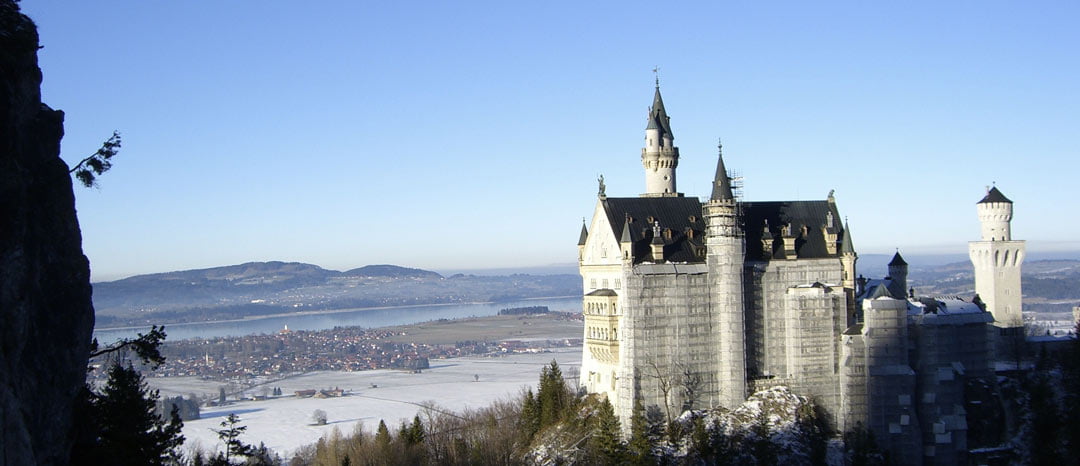
Fangen wir an mit dem Schloss Neuschwanstein. Das kennt Ihr sicher, oder? Ich habe Euch auch in der Folge über König Ludwig II. darüber erzählt. Ihn nennt man heute den „Märchenkönig“ – er hatte viel Fantasie und ließ fabelhafte Märchenschlösser bauen, das bekannteste ist das Schloss Neuschwanstein in Bayern. Jedes Jahr kommen ungefähr 1,5 Millionen Touristen hierher, um das prunkvolle Gebäude zu besichtigen.
Über 5 Millionen Menschen kommen auf das Münchner Oktoberfest – allerdings innerhalb von knapp zwei Wochen. Es findet jährlich im Herbst statt, auf der Theresienwiese. Hier werden große Bierzelte aufgebaut und Achterbahnen, man kann mit dem Riesenrad von oben auf die Stadt schauen und abends in den Zelten zu Live-Musik feiern. Auch dazu gab es schon eine Podcast-Episode.
Als letzte Attraktion Bayerns stelle ich Euch noch das Hofbräuhaus in München vor – es ist weltweit bekannt als traditionelles Wirtshaus, in dem früher auch Bier gebraut wurde. Heute ist die Brauerei am Münchner Stadtrand, aber im Hofbräuhaus treffen sich weiterhin Touristen und Einheimische um Bier zu trinken, Blasmusik zu hören und bayerisches Essen zu genießen. Und auch dazu habe ich schon eine Episode Slow German gemacht.
Warum ich zuerst die bayerischen Attraktionen genannt habe ist einfach: Ich lebe selber in München. Ich könnte Euch noch von den Alpen vorschwärmen, das sind die Berge im Süden von Bayern und von der Zugspitze, dem höchsten Berg Deutschlands. Oder von der schönen Altstadt von Nürnberg oder Bamberg im Norden von Bayern, genauer gesagt in Franken. In Franken befindet sich auch das mittelalterliche Städtchen Rothenburg ob der Tauber. Aber wenden wir uns lieber den anderen Bundesländern zu.
In Nordrhein-Westfalen liegt die Stadt Köln, und hier ist der Kölner Dom die größte Attraktion. Die Kirche gehört zum UNESCO Weltkulturerbe und ist das zweithöchste Kirchengebäude Europas. Die gotische Kathedrale wurde 1248 begonnen und erst 1880 vollendet. Heute steht sie auf einem leider recht hässlichen Platz neben dem Hauptbahnhof der Stadt – ist aber dennoch natürlich einen Besuch wert.
In der Hauptstadt Berlin ist das Brandenburger Tor wahrscheinlich die bekannteste Sehenswürdigkeit, neben dem Reichstag mit seiner imposanten Glaskuppel. Beide sind in direkter Nachbarschaft zueinander, man kann sie also leicht zu Fuß erkunden. Direkt am Brandenburger Tor verlief auch die Berliner Mauer, man kann das daran erkennen, dass im Boden der Mauerstreifen markiert wurde. Heute ist die Teilung der Stadt dennoch kaum noch vorstellbar.
Im Norden von Deutschland ist Hamburg auf jeden Fall einen Besuch wert – hier wurde gerade dieses Jahr die Elbphilharmonie fertiggestellt, hier finden Konzerte statt, aber auch ein Hotel ist im Gebäude untergebracht. Die Speicherstadt, in der Waren gelagert wurden, die per Schiff in die Stadt kamen, ist ebenfalls sehenswert. Sie besteht aus roten Backsteingebäuden, die durch ein Kanalsystem und kleine Brücken miteinander verbunden sind. Für Kinder ist in Hamburg das Miniatur-Wunderland ein Highlight. Das ist eine Modelleisenbahn-Anlage, die immer weiter wächst und ganze Länder darstellen soll.
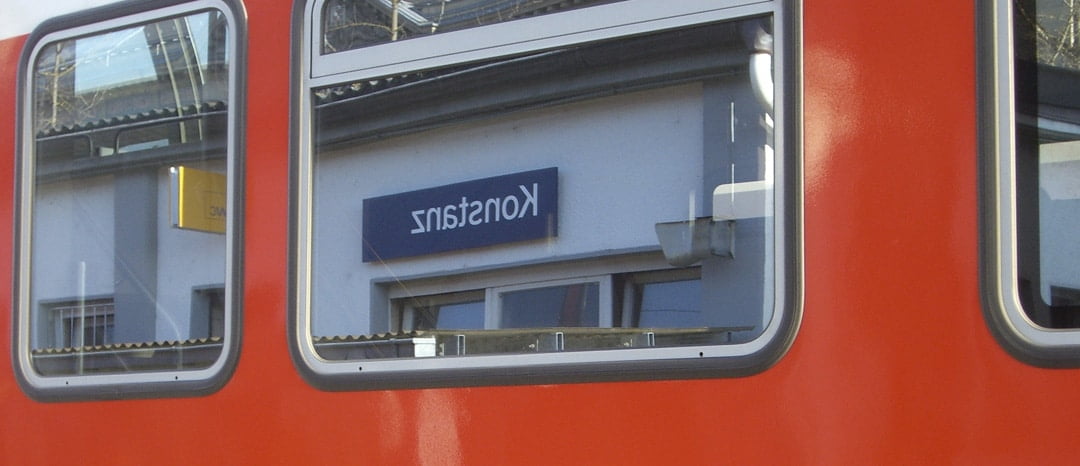
Am anderen Ende Deutschlands, in Baden-Württemberg, befindet sich der Bodensee. Er liegt an der Grenze von Deutschland, Österreich und der Schweiz. Hier kann man wunderbar Fahrrad fahren, die Blumeninsel Mainau besuchen oder durch die kleine Stadt Konstanz schlendern.
Das waren natürlich nicht alle Sehenswürdigkeiten Deutschlands – es gibt noch viel mehr. Ihr braucht für Euren Besuch in Deutschland übrigens nicht unbedingt ein Auto – es gibt ein großes, gut ausgebautes Schienennetz, es ist also fast jeder größere Ort mit der Bahn zu erreichen. Auf Wiedersehen in Deutschland!
In meinem Geldbeutel ist ein gefaltetes Stück rosafarbenes Papier. Mein Foto ist darauf zu sehen – da war ich gerade mal 18 Jahre alt. Was das für ein Papier ist? Es ist mein Führerschein! Der Führerschein ist ein offizielles Dokument. Ich habe den Führerschein bekommen, nachdem ich meine Fahrprüfung gemacht hatte. Seitdem darf ich Auto fahren. Ich erkläre Euch kurz, wie man in Deutschland zum Autofahrer wird.
Als ich 1994 meinen Führerschein machte, musste ich 18 Jahre alt sein. Heute ist das anders: Man kann schon ein Jahr früher Auto fahren. Ähnlich wie in den USA geht das aber nur in Verbindung mit dem begleiteten Fahren – man darf nicht alleine Auto fahren lernen, sondern muss einen Erwachsenen mit dabei haben.
Wer lernen möchte, ein Auto zu fahren, geht in eine Fahrschule. Der Unterricht ist in zwei Teile unterteilt: Theorie und Praxis. Im Theorieunterricht sitzt man wie in der normalen Schule in einem Raum mit dem Fahrlehrer und lernt die Verkehrsregeln. Eine Schulstunde dauert in Deutschland 45 Minuten – in der normalen Schule genau wie in der Fahrschule. 26 Theorie-Stunden lang muss man also die Schulbank drücken, bis man die theoretische Prüfung ablegen kann. 80% der Fragen muss man richtig beantworten – sonst ist man durchgefallen.
Der praktische Unterricht erfolgt im Straßenverkehr: Gemeinsam mit dem Fahrlehrer oder der Fahrlehrerin sitzt man in einem speziellen Auto. Dieses Auto hat auch auf der Beifahrerseite Spiegel und ein Bremspedal. So kann der Lehrer im Notfall eingreifen. Es ist gesetzlich vorgeschrieben, wie viele Stunden man mindestens unterwegs sein muss – zum Beispiel 5 Fahrstunden auf einer Landstraße, 4 auf der Autobahn und 3 in der Nacht. Der Fahrlehrer entscheidet dann, wann man gut genug ist, um an der Fahrprüfung teilzunehmen. Das ist aufregend, kann ich Euch sagen! Man bekommt einen Termin zur Prüfung, und da kommt dann ein fremder Mensch, ein so genannter Prüfer, und setzt sich mit dem Fahrlehrer und dem Schüler ins Auto. Er lässt den Schüler dann fahren, stellt ihm Fragen – und beobachtet alles ganz genau. Ich musste damals auch rückwärts einparken – gar nicht so leicht, wenn man nervös ist! 45 Minuten dauert diese Prüfung – dann weiß man, ob die Prüfung bestanden ist oder nicht. Wenn ja, bekommt man den Führerschein – wenn nicht, muss man nochmal in die Fahrschule zurück.
Heute übrigens ist der Führerschein nicht mehr rosa. Die europäischen Länder haben sich auf einen einheitlichen Führerschein geeinigt, und dieser ist klein wie eine Kreditkarte und aus Plastik. Ich werde also bald meinen Führerschein umtauschen gegen diesen schöneren Karten-Führerschein – und dann bin ich auch das alte Foto endlich los…
Autofahrer unter 21 Jahren müssen übrigens nüchtern Auto fahren – sie dürfen nur 0 Promille haben. Bei älteren Fahrern liegt diese Grenze bei 0,5 Promille. Wer gegen diese oder andere Verkehrsregeln verstößt und damit sich und andere in Gefahr bringt, bekommt Punkte in Flensburg – wer zu viele Punkte hat, der verliert seinen Führerschein. Um ihn wiederzubekommen, muss man erneut in die Fahrschule. Übrigens war der Führerschein in Deutschland ansonsten ewig gültig – man machte ihn mit 18 und konnte fahren, bis man starb. Heute ist das anders: Seit 2013 ist der Führerschein nur noch 15 Jahre gültig. Danach muss man ihn neu beantragen – und ein neues Foto machen lassen. Eine Fahrprüfung gibt es allerdings nicht.
Wie ist das in Eurem Land? Schreibt gerne in die Kommentarfunktion!
Es wird Zeit, dass wir über BMW sprechen. Hier in München sieht man viele BMWs auf den Straßen. Das liegt einfach daran, dass BMW seinen Firmensitz hier in München hat – und die Automarke feiert dieses Jahr am 7. März ihren 100. Geburtstag.
Wofür stehen die drei Buchstaben BMW? Sie stehen für Bayerische Motoren–Werke. Am Anfang hatte BMW noch gar nichts mit Autos zu tun. Die Firma baute Flugzeug-Motoren. Aber nach dem Ersten Weltkrieg war damit erstmal Schluss: der Friedensvertrag verbot es Deutschland für fünf Jahre, Flugzeugmotoren zu bauen. Also hatte BMW eine neue Idee: 1923 wurde das erste BMW-Motorrad entwickelt, 1928 dann die ersten Autos. Das erste Serienmodell wurde nicht in Bayern gebaut, sondern im benachbarten Thüringen. Als der Zweite Weltkrieg kam, wuchs BMW immer weiter – natürlich wurden leistungsfähige Flugzeugmotoren gebraucht, aber auch kräftige Motorräder und geländegängige Autos. Die dunkle Seite: Für den Bau wurden Zwangsarbeiter und KZ-Häftlinge eingesetzt. Nach dem Krieg war das Stammwerk zerbombt. BMW baute Fahrzeugbremsen und Kochtöpfe, um sich über Wasser zu halten. Es wurden auch wieder Motorräder produziert, aber kaum jemand kaufte sie. Ende der 50er-Jahre ging es BMW so schlecht, dass die Firma an die Daimler-Benz AG verkauft werden sollte. Die Mitarbeiter und BMW-Händler waren aber dagegen – die Übernahme wurde verhindert. Verkürzt gesagt kam ein Industrieller als Retter daher – Herbert Quandt übernahm viele Aktien. Der Quandt-Familie gehört heute noch ein großer Teil von BMW – 46,7%, um genau zu sein. Damit gehören die Quandts zu den reichsten Deutschen.
Die BMW-Autos wurden immer erfolgreicher in den darauffolgenden Jahren. Seit 2010 gehören die Luxusautos der Marke Rolls Royce zum BMW-Konzern. Heute steht BMW für gute aber teure Autos – der BMW i ist sogar ein Elektro-Auto. Produziert werden BMWs vor allem in Bayern, es gibt aber auch Werke in USA, Südafrika, Großbritannien und China. Zu BMW gehört auch die Marke Mini, neue Minis sieht man hier in München zuhauf durch die Gegend flitzen. Mit 80,4 Milliarden Euro Umsatz und 116.000 Mitarbeitern ist BMW eines der größten Wirtschaftsunternehmen Deutschlands. Über 2 Millionen Fahrzeuge werden pro Jahr gebaut. Gefallen Euch die Autos?
Diese Seite verwendet Cookies, damit sie sich Deine Lieblingseinstellungen merken kann. Ist das ok so? Dann klicke bitte auf "Alle akzeptieren". Dadurch akzeptierst Du alle Cookies der Seite. Du kannst aber auch genau einstellen, welche Cookies Du akzeptierst.
This website uses cookies to improve your experience while you navigate through the website. Out of these, the cookies that are categorized as necessary are stored on your browser as they are essential for the working of basic functionalities of the website. We also use third-party cookies that help us analyze and understand how you use this website. These cookies will be stored in your browser only with your consent. You also have the option to opt-out of these cookies. But opting out of some of these cookies may affect your browsing experience.
Necessary cookies are absolutely essential for the website to function properly. These cookies ensure basic functionalities and security features of the website, anonymously.
Cookie
Dauer
Beschreibung
cookielawinfo-checkbox-analytics
11 months
This cookie is set by GDPR Cookie Consent plugin. The cookie is used to store the user consent for the cookies in the category "Analytics".
cookielawinfo-checkbox-functional
11 months
The cookie is set by GDPR cookie consent to record the user consent for the cookies in the category "Functional".
cookielawinfo-checkbox-necessary
11 months
This cookie is set by GDPR Cookie Consent plugin. The cookies is used to store the user consent for the cookies in the category "Necessary".
cookielawinfo-checkbox-others
11 months
This cookie is set by GDPR Cookie Consent plugin. The cookie is used to store the user consent for the cookies in the category "Other.
cookielawinfo-checkbox-performance
11 months
This cookie is set by GDPR Cookie Consent plugin. The cookie is used to store the user consent for the cookies in the category "Performance".
viewed_cookie_policy
11 months
The cookie is set by the GDPR Cookie Consent plugin and is used to store whether or not user has consented to the use of cookies. It does not store any personal data.
Functional cookies help to perform certain functionalities like sharing the content of the website on social media platforms, collect feedbacks, and other third-party features.
Performance cookies are used to understand and analyze the key performance indexes of the website which helps in delivering a better user experience for the visitors.
Analytical cookies are used to understand how visitors interact with the website. These cookies help provide information on metrics the number of visitors, bounce rate, traffic source, etc.
Advertisement cookies are used to provide visitors with relevant ads and marketing campaigns. These cookies track visitors across websites and collect information to provide customized ads.